
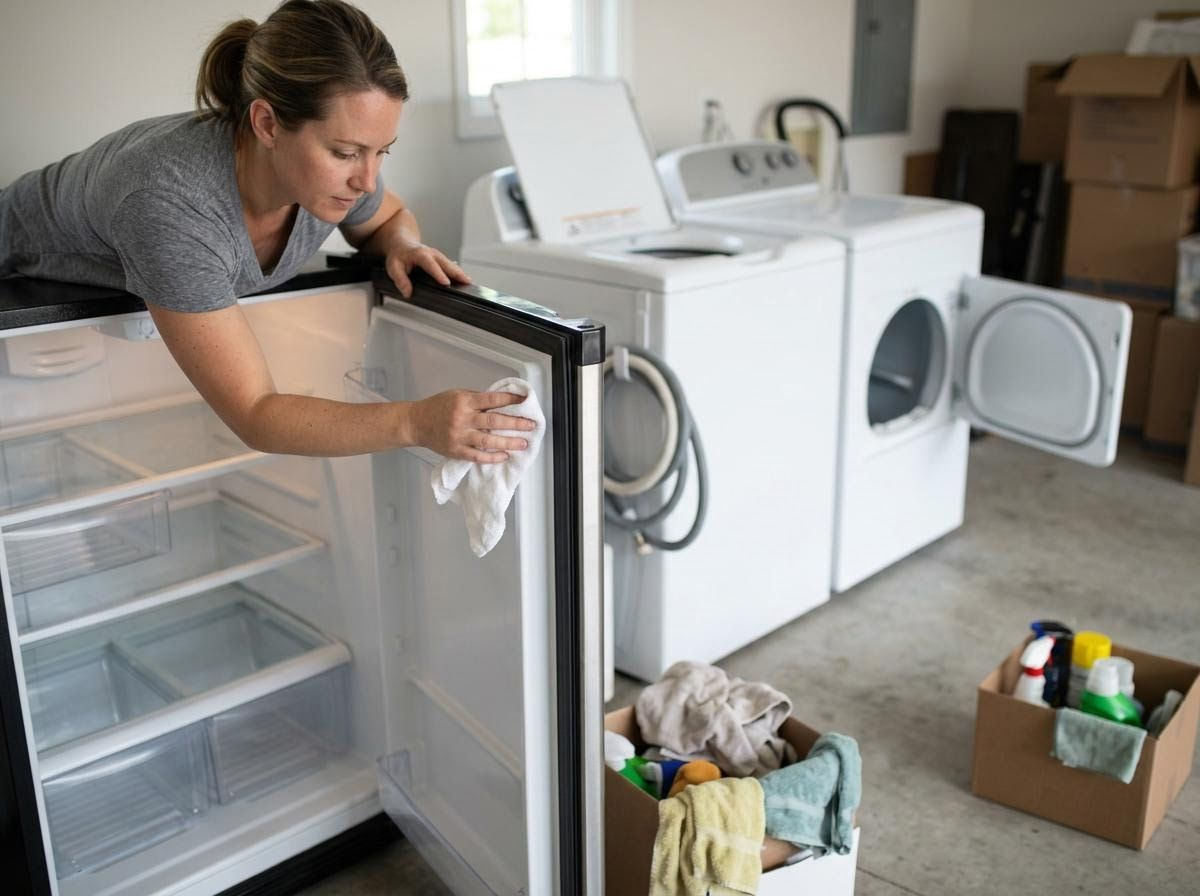
Moving your household appliances into storage can be a smart way to clear space, protect items during a move, or preserve them for future use. However, large appliances like refrigerators, washers, and dryers require careful preparation to ensure they remain in top condition and don't develop unpleasant mold or odors during their time in storage. At Safeguard Mini Storage, we understand the importance of safeguarding your valuables, and a little forethought can save you significant hassle down the line. This guide will walk you through the essential steps to prepare your appliances for a fresh and clean return from storage.
Thorough Cleaning and Drying are Non-Negotiable
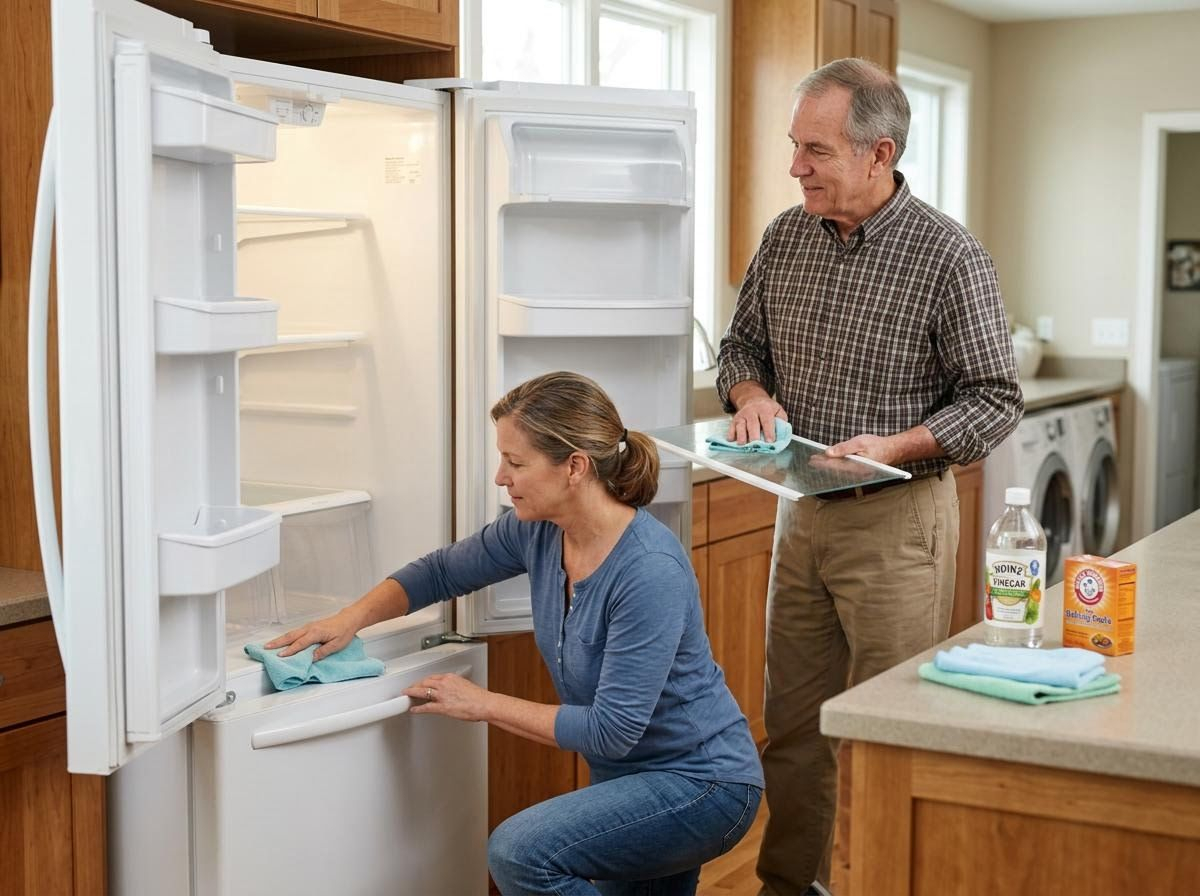
Before anything else, cleaning and drying your appliances completely is the most critical step to prevent mold and mildew. For refrigerators and freezers, unplug them at least 24-48 hours before your move to allow all ice to melt and the interior to dry completely. Wipe down all surfaces with a solution of warm water and baking soda or a mild, non-toxic cleaner, paying close attention to seals and crevices. For washing machines, run a hot water cycle with a cup of white vinegar or a specialty washer cleaner to remove detergent residue and bacteria. After the cycle, wipe down the drum, detergent dispenser, and rubber gasket. For dryers, simply clean out the lint trap thoroughly and wipe down the drum. Ensure every interior surface of all appliances is bone dry before moving them into storage. Any residual moisture is an open invitation for mold and unpleasant smells.
Ventilate and Protect During Storage
Once clean and dry, how you store your appliances makes a significant difference. It's crucial to leave the doors and lids of refrigerators, washers, and dryers slightly ajar. This allows air to circulate, preventing stale odors and moisture from building up inside, which can lead to mold and mildew. Avoid taping doors shut; instead, use towels, bungee cords, or even simple furniture pads to prop them open slightly. Disconnect and properly drain any water hoses from washers and refrigerators, then coil them neatly and secure them to the appliance to prevent tripping hazards or damage. For protection against dust and minor scratches, consider using breathable appliance covers or old sheets rather than airtight plastic wrap, which can trap condensation.
The Advantage of a Climate-Controlled Environment
For long-term storage, or for storing appliances in a humid climate like Corpus Christi, a climate-controlled storage unit is a game-changer. These units maintain a consistent temperature and humidity level, creating an environment where mold, mildew, and rust are far less likely to thrive. Fluctuations in temperature and high humidity are primary causes of appliance deterioration, leading to issues like corrosion, cracked plastic components, and the growth of fungi. By choosing a climate-controlled space, you're not just preventing odors; you're actively preserving the integrity and extending the lifespan of your valuable appliances, ensuring they are ready for use when you need them next.
Proper preparation and the right storage environment are paramount to protecting your appliances from mold and odors while they're tucked away. By following these steps—thorough cleaning, ensuring ventilation, and opting for suitable storage—you can safeguard your investments against common storage pitfalls. If you're preparing to store appliances or other valuable items, consider exploring secure and convenient storage options that cater to your specific needs, including climate control, to give you peace of mind with Safeguard Mini Storage.