
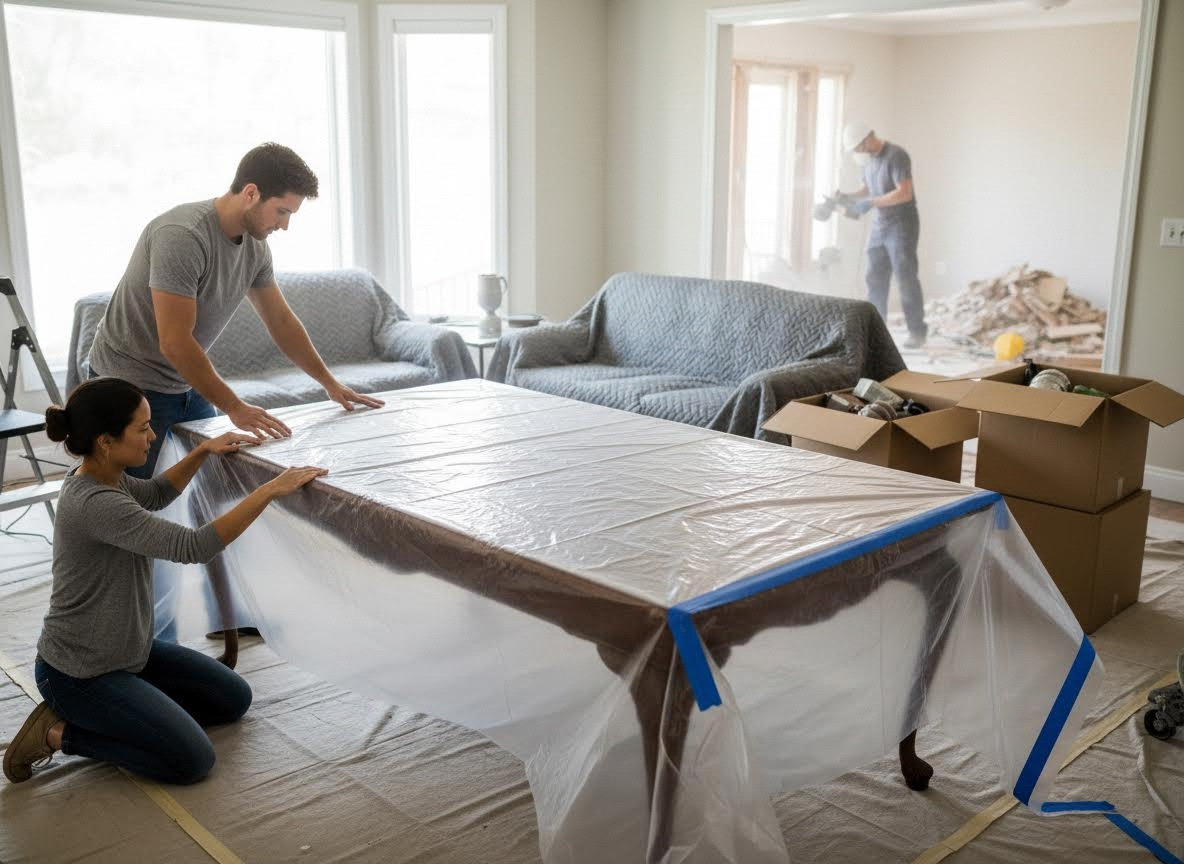
Home renovations are an exciting time, promising fresh spaces and renewed comfort. However, the process often brings a significant challenge: protecting your cherished furniture and belongings from the inevitable dust, debris, and potential damage. Safeguard Mini Storage understands this concern and is here to guide you through smart strategies to keep your items safe and sound. Whether you're undertaking a minor refresh or a major overhaul, proactive protection is key to ensuring your furniture emerges from the renovation process just as beautiful as it went in!
On-Site Protection: What You Can Do Immediately
If moving all your furniture off-site isn't immediately feasible, there are several steps you can take to protect items that remain within your home during renovations. The primary concerns are dust and physical damage. Start by carefully covering all furniture with heavy-duty plastic sheeting or moving blankets, securing them tightly with painter's tape to prevent dust infiltration. Create a "buffer zone" by moving furniture as far away from the active renovation area as possible, ideally into a room with a door that can be sealed. For smaller, more delicate items, consider packing them into sturdy boxes and stacking them away from the work zone.
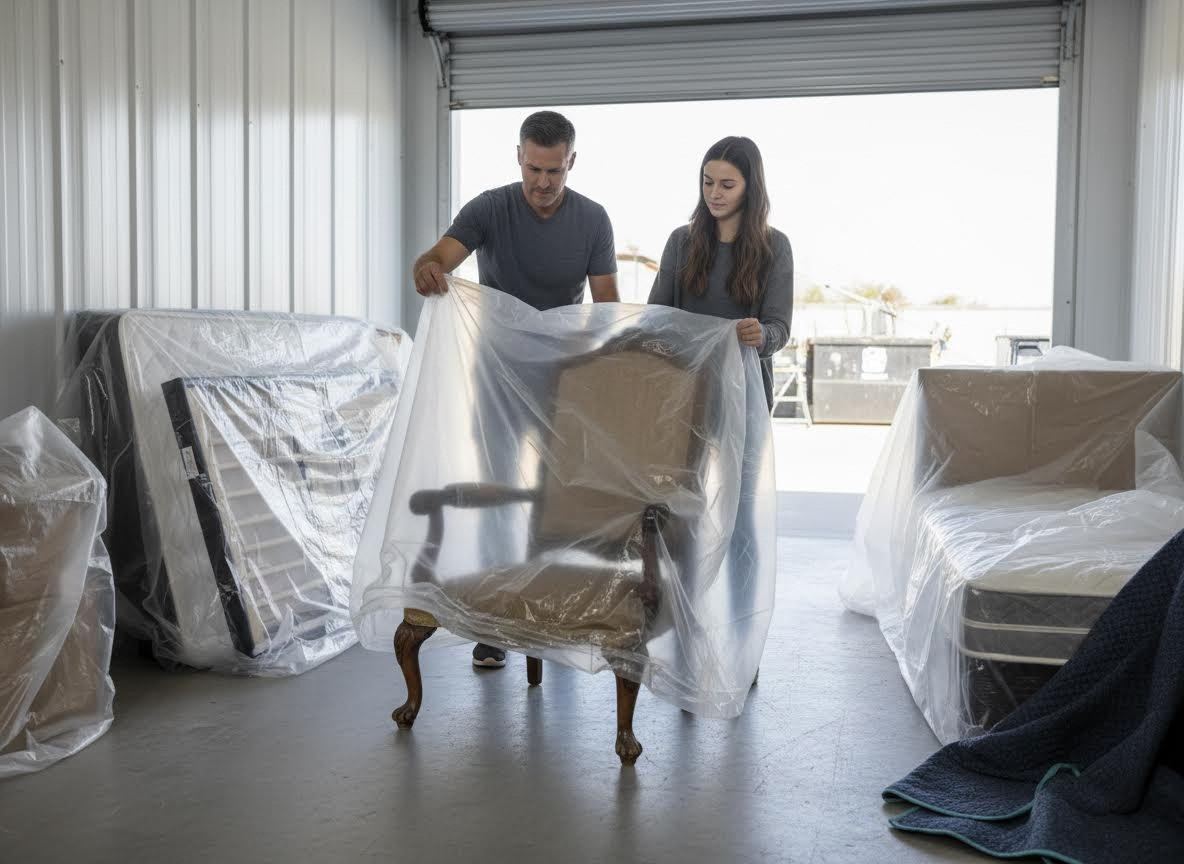
The Benefits of Off-Site Storage During Renovations
For comprehensive protection, moving your furniture to an off-site storage facility is often the most effective solution. This completely removes your valuable items from the dusty, chaotic environment of a renovation, preventing accidental scrapes, paint splatters, and heavy dust accumulation. A dedicated self-storage unit provides a clean, secure, and controlled space for your belongings, giving you peace of mind and allowing contractors ample room to work without fear of damaging your possessions. This option is particularly beneficial for larger pieces, heirlooms, or furniture that is difficult to thoroughly clean once exposed to construction debris.
Choosing the Right Storage Solution for Your Furniture
When selecting a storage facility for your furniture during a renovation, it's important to consider the type of storage that best suits your items and the local climate. For delicate items like antique wood furniture, electronics, or upholstered pieces, climate-controlled storage is highly recommended. These units maintain a consistent temperature and humidity level, protecting your items from warping, cracking, mold, mildew, and pest infestation – all potential risks in the Texas heat and humidity. For more resilient items, a traditional storage unit can provide excellent protection.

Packing Your Furniture for Storage
Proper packing is essential for maximizing protection within your chosen storage unit. Disassemble any furniture that can be taken apart, such as bed frames or dining tables, and label all parts clearly for easy reassembly. Wrap individual pieces in moving blankets, plastic, or bubble wrap to prevent scratches and dings. For upholstered items, use mattress bags or furniture covers to keep them clean and dust-free. Always lift heavy items with care, or consider using moving dollies. When arranging items in your storage facility unit, utilize vertical space to maximize storage, but ensure there's enough room to safely access items if needed.
Embarking on a home renovation should be an exciting journey, not a source of worry over your furniture. By taking proactive steps, from careful on-site covering to utilizing professional off-site storage, you can ensure your belongings are shielded from dust and damage. Safeguard Mini Storage is dedicated to providing secure and convenient storage solutions, helping you navigate your renovation with confidence and ease. Reserve your unit today!