
When preparing to move or store your belongings, understanding what you can and cannot keep in a self-storage unit is crucial for both your safety and compliance with facility policies. Safeguard Mini Storage is committed to providing a secure and reliable experience, and part of that commitment involves educating our community on best storage practices. Knowing the items that are strictly prohibited helps prevent potential hazards, protects your possessions, and ensures a safe environment for everyone.
Perishable Goods and Living Things
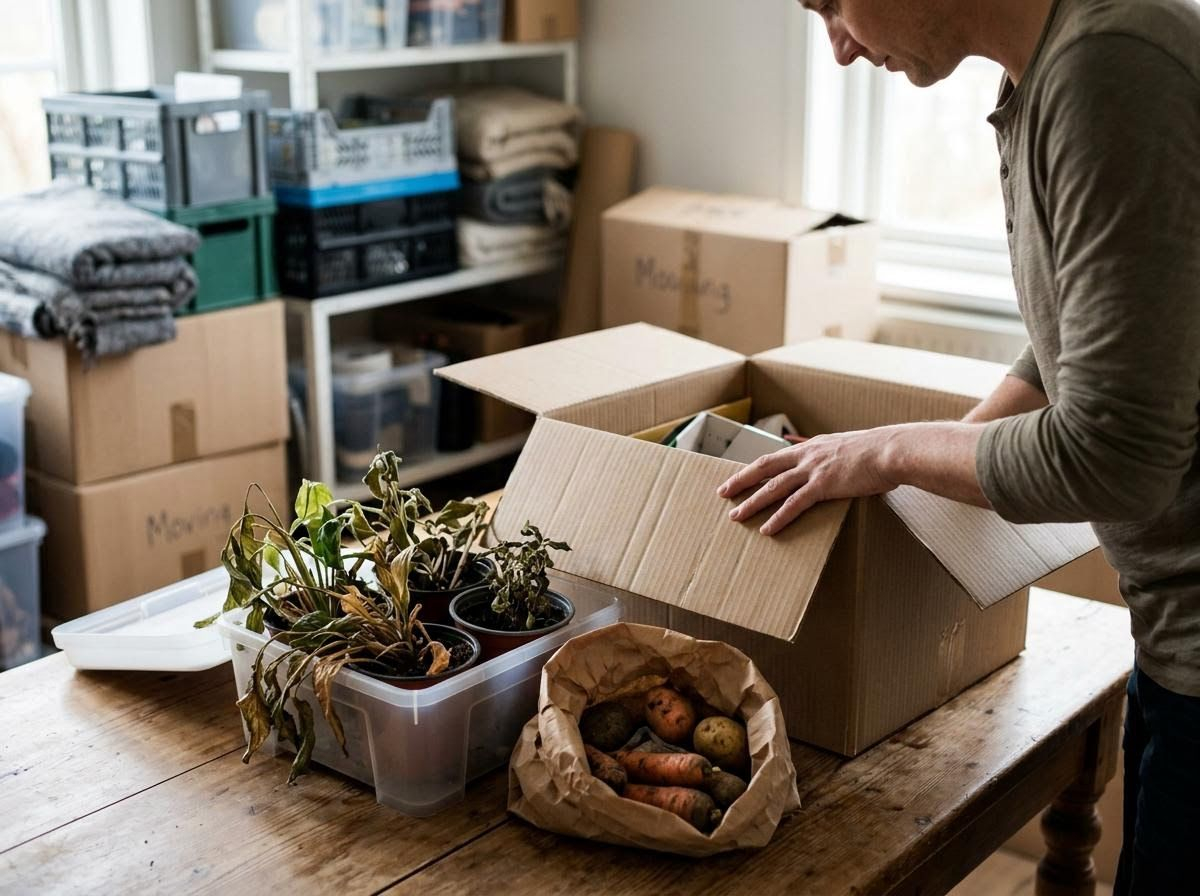
One of the most common categories of prohibited items includes anything that can spoil, attract pests, or requires care. This means no food items, even if they are non-perishable initially, as they can attract rodents, insects, and mold over time. Similarly, plants and other living organisms are not permitted, as they require light, water, and can introduce pests or mold into the storage environment. Storing live animals is also strictly forbidden and can pose significant health and ethical concerns.
Flammable, Explosive, and Hazardous Materials
For the safety of all tenants and the facility itself, any item that is flammable, explosive, corrosive, or otherwise hazardous is strictly prohibited. This includes gasoline, propane tanks, paint, paint thinners, cleaning chemicals, fertilizers, pesticides, and fireworks. These materials present a severe risk of fire, explosion, or chemical leaks, which could damage property and endanger lives. Always check the labels on any liquids or chemicals you plan to store and err on the side of caution by keeping them out of your unit.
Illegal Items and Unsafe Property
Storage units cannot be used to store anything illegal. This includes illegal drugs, stolen goods, unregistered firearms, or anything obtained through unlawful means. Facilities often have agreements with local law enforcement, and storing such items can lead to severe legal consequences. Additionally, items that could degrade the unit over time, such as certain types of waste or highly corrosive materials not already covered under hazardous materials, are typically not allowed. Always ensure the items you store are legally yours and do not pose a risk to the structural integrity of the unit or the facility.
Understanding the items that are prohibited from self-storage units is a key part of ensuring a safe, secure, and worry-free storage experience for everyone. Adhering to these guidelines helps protect your valuables, fellow tenants, and the storage facility itself from potential damage or hazards. For specific questions about what you can store or to explore storage solutions that meet your needs, including climate-controlled options for sensitive items, please connect with a storage expert. Safeguard Mini Storage is here to help you store with confidence and peace of mind.